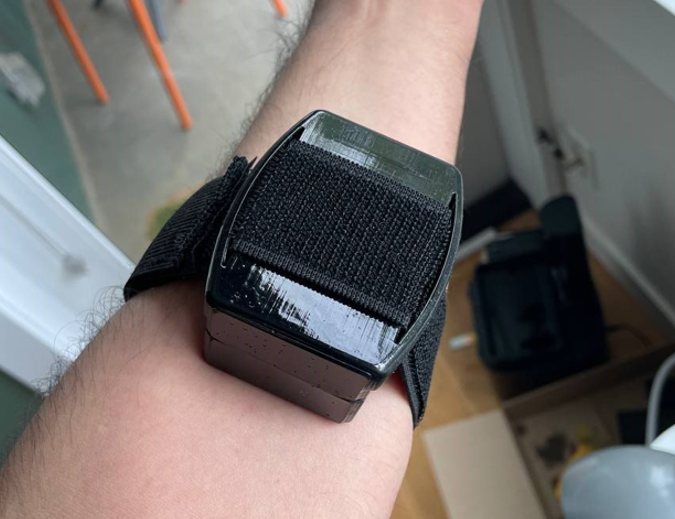
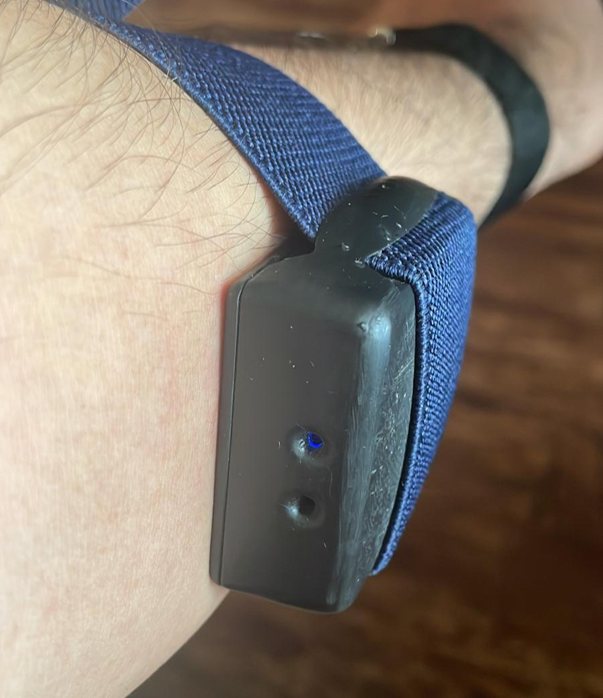
The largest in-vivo dataset of its kind.
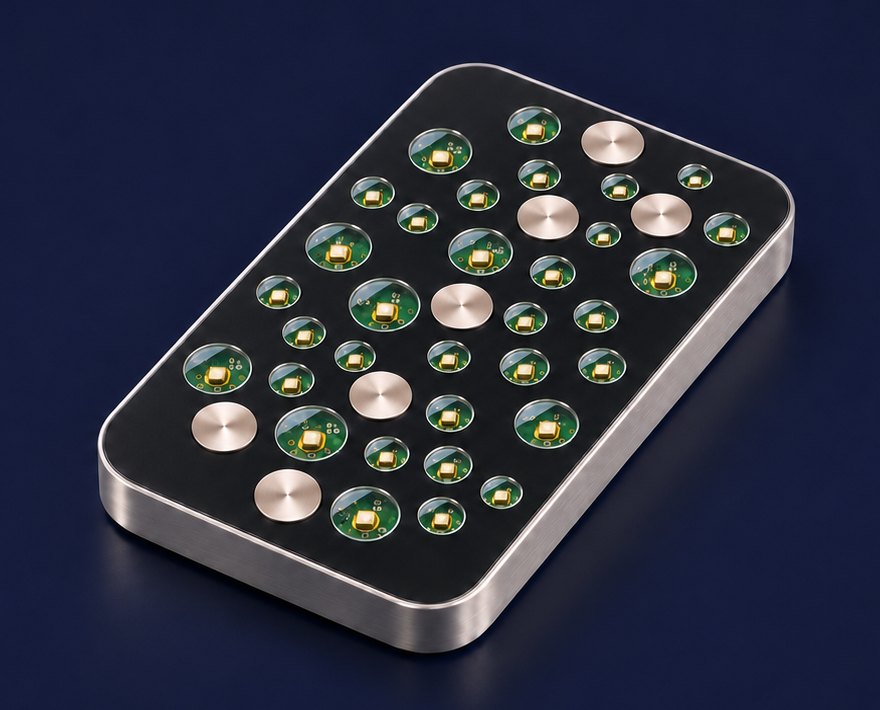
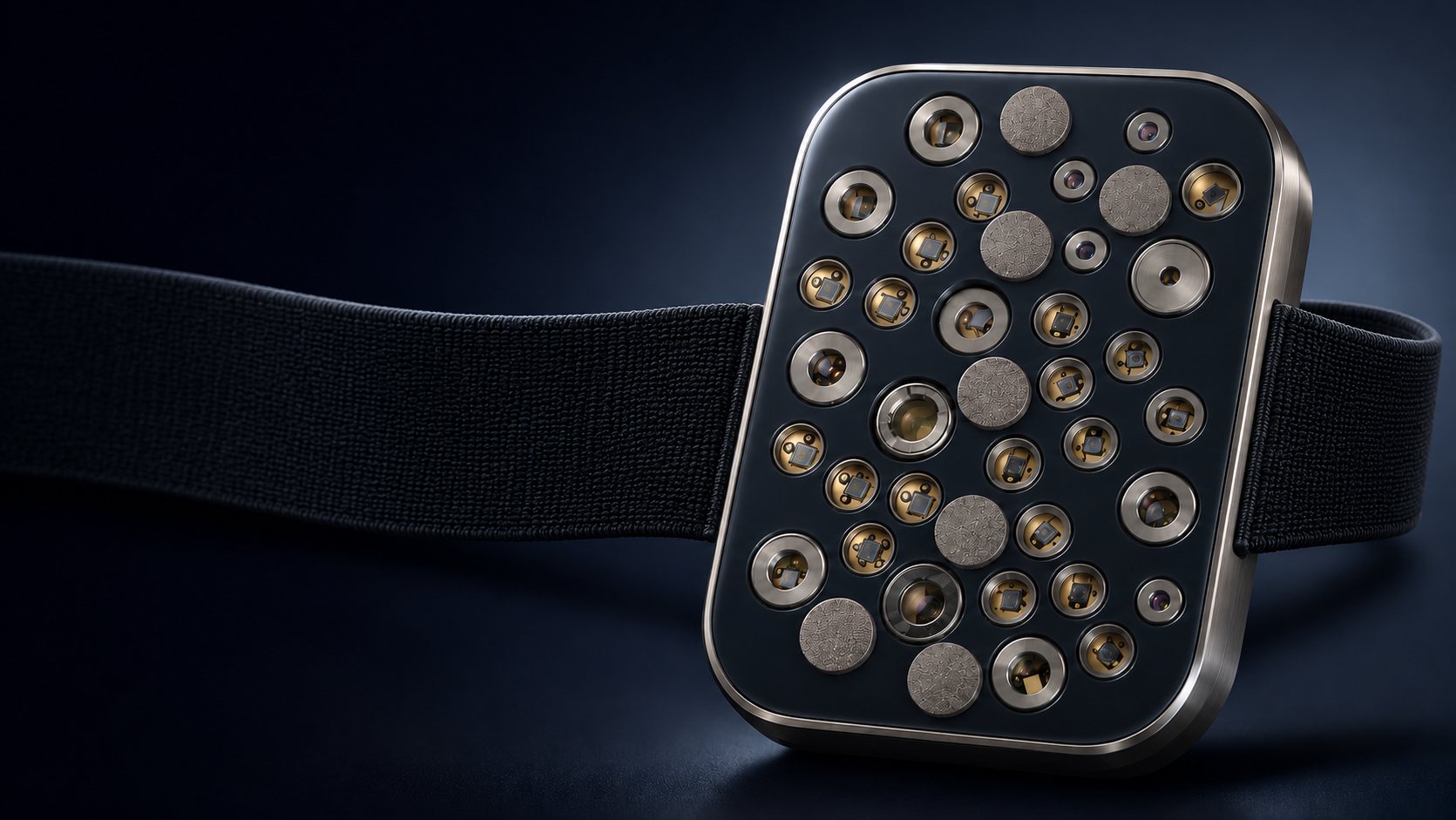
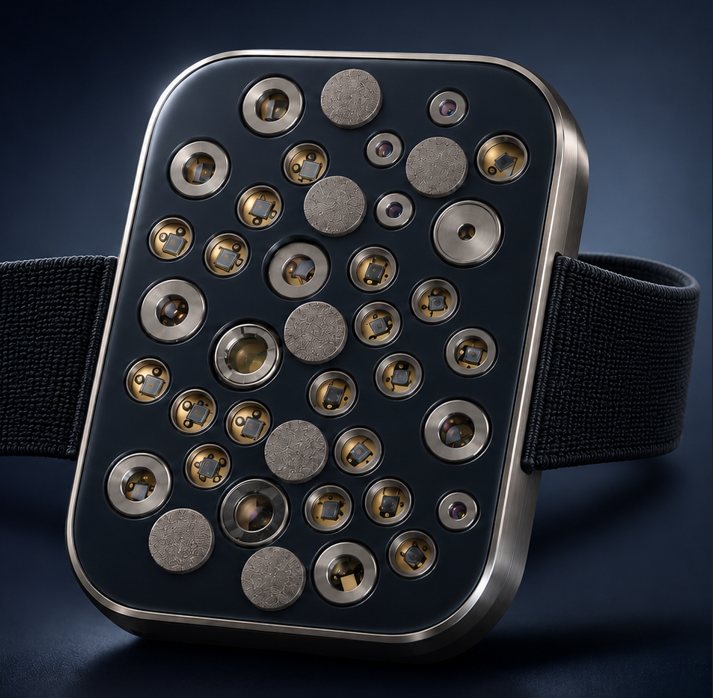
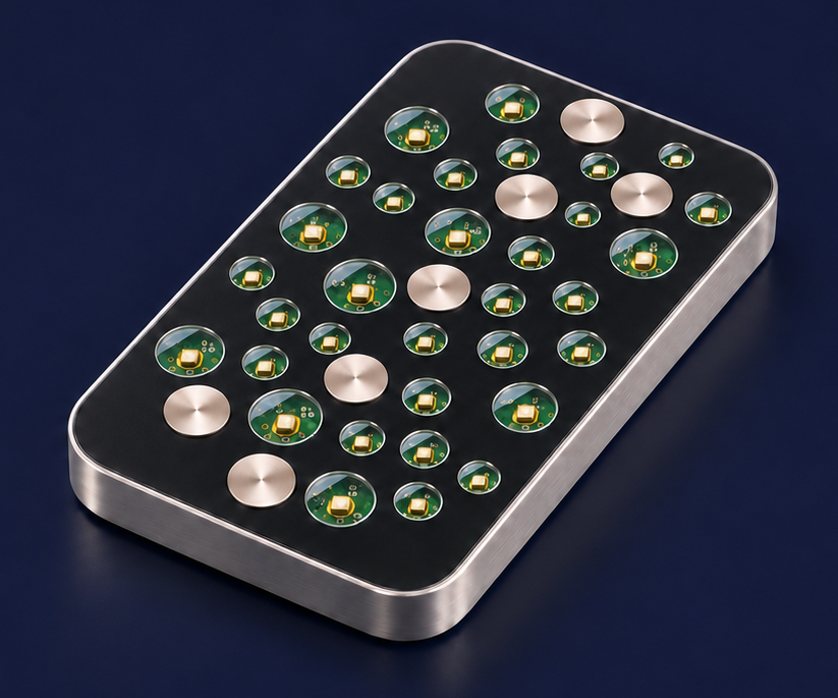
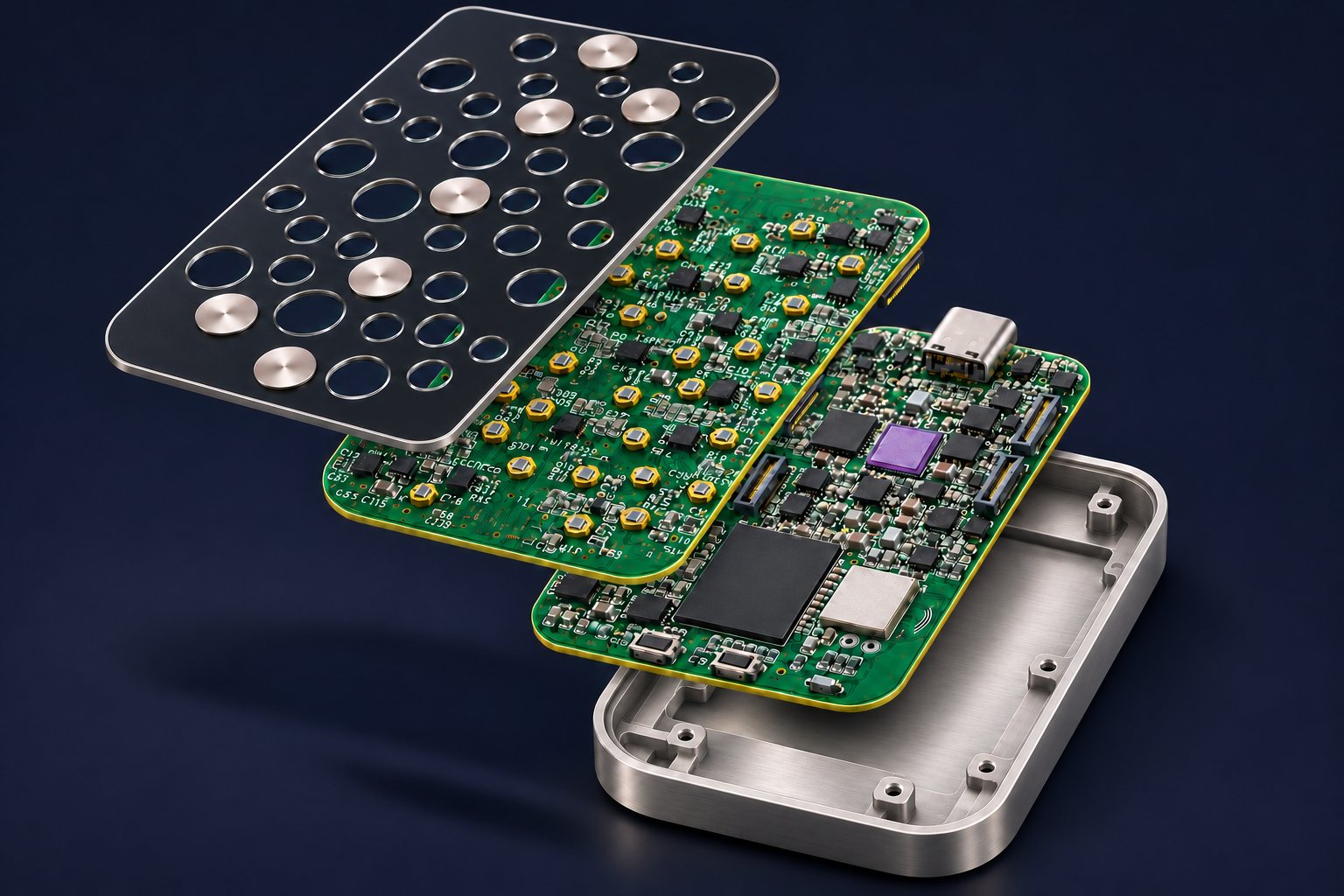
Spectral, spatial and temporal optical data across hundreds of light paths and multiple tissue depths, paired with multi-frequency, multi-electrode impedance spectroscopy, 9-axis motion, and laser temperature and internal monitoring photodiode (IMPD) arrays, all recorded on living tissue. Every Harmony session adds to a proprietary dataset that trains our deep learning models.
SpectralLaser wavelengths from visible to shortwave infrared, each chosen for what it reveals in tissue.
SpatialEvery laser paired with every detector: hundreds of optical path lengths that map tissue volumetrically, layer by layer.
TemporalContinuous recording, so the models learn how tissue changes, not just how it looks at one moment.
ElectricalMulti-frequency impedance spectroscopy across multiple electrode pairs, captured alongside the optics.
Motion and thermalA 9-axis IMU, plus a temperature array and an internal monitoring photodiode (IMPD) array on the lasers, so each measurement carries the conditions it was taken in.
Deep learning, grounded in physics.
Our models are trained on every stream together: optical, impedance, motion, laser temperature and IMPD. Physics of light transport and tissue impedance shapes their architecture, so they learn from real biology instead of memorising noise.
The same pipeline runs from raw signal to prediction, on the device and in the cloud.
01CaptureOptical, impedance, motion, temperature and IMPD data, recorded in sync
02CleanLock-in demodulation, plus thermal, power and motion correction from temperature, IMPD and IMU data
03Encode physicsLight-transport and tissue-impedance priors
04LearnDeep networks trained on the full in-vivo dataset